ghar ghar tiranga

The Flag Foundation of India (FFOI) was founded on 3 June 2003 by Naveen Jindal following his landmark legal victory affirming citizens’ right to display the National Flag.

The Flag Foundation of India was created with a simple and meaningful belief that every Indian should have the freedom to raise the National Flag with pride. This belief shaped the NGO, which is registered under the Societies Registration Act of 1860 and works as a non-profit.

The story took shape when Shri Naveen Jindal questioned why citizens were not allowed to unfurl the Tiranga in their everyday lives. His effort to change this led to an important shift in the country, giving every Indian the right to display the National Flag with dignity every day of the year. The Foundation was set up to carry this spirit forward and to keep people connected to the Tiranga.

Today, we work across schools, communities, and public spaces, helping citizens understand the meaning and value of the National Flag. Our aim is simple: to make the Tiranga a part of everyday pride for every Indian.
ghar ghar tiranga

What Guides Us Forward

Our Vision

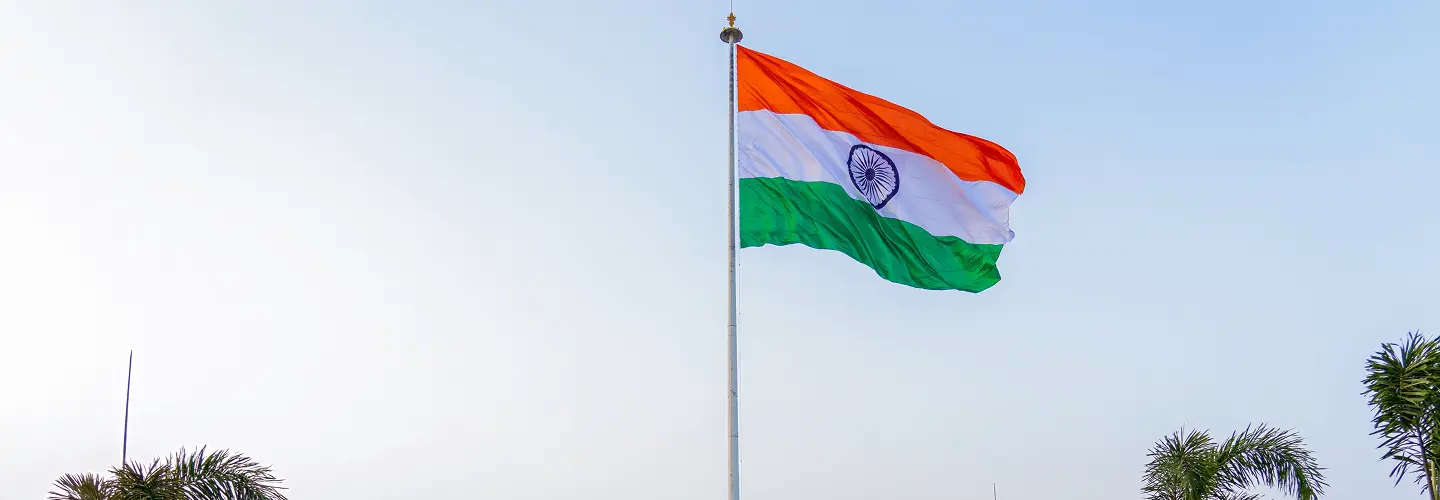
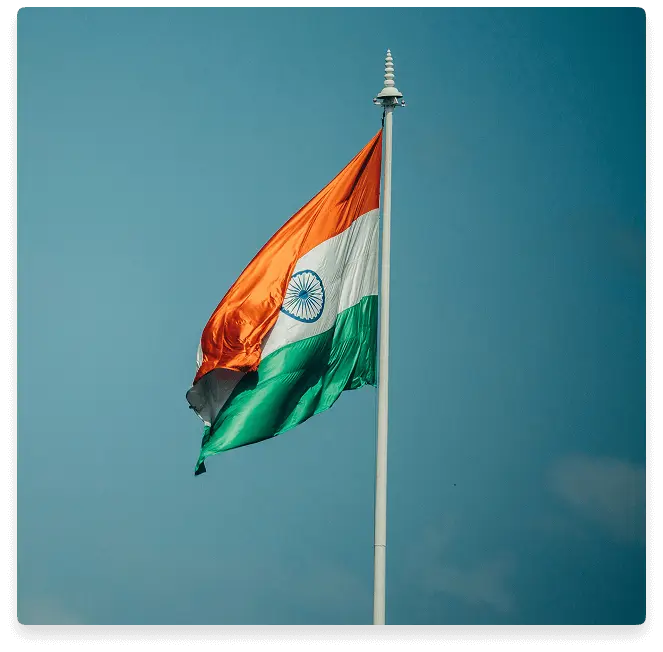
Our primary vision is to popularize the display of the Tiranga by more and more Indians, with a great sense of pride. When we display the flag, we rise above narrow considerations of religion, caste, language, region, etc. and it reminds us of being, first and foremost, an Indian. At the same time, it represents every Indian religion, language, culture and region. It celebrates our rich diversity. It is, thus, the greatest symbol of our 'unity in diversity'.

Our Mission

In today’s time, nationalism and patriotism are often reduced to mere slogans. The Flag Foundation of India was established to rekindle that true spirit by upholding the dignity of the Tiranga. It seeks to restore pride, responsibility and a moral commitment towards the nation. Through monumental flags, cultural and educational initiatives, seminars and collaborations, the Foundation inspires citizens, especially the youth, to embrace the democratic values the Tiranga represents and contribute to building a strong and progressive India.

ghar ghar tiranga

A Journey of
Patriotism and Legal Triumph

1992
1995
1996
2000
2001
2002
2004

Back in India

Year 1992

After returning, he hoisted the flag at his factory in Raigarh, Chhattisgarh (then Madhya Pradesh). The Commissioner of Bilaspur objected, citing that the Flag Code of India does not allow citizens to raise the flag except on certain days. However, senior lawyer Mr. Shanti Bhushan advised Mr. Jindal that while laws prevented disrespect or commercial misuse of the flag, no law prohibited citizens from respectfully raising the National Flag.

ghar ghar tiranga

Delhi High Court Victory

Year 1995

Naveen Jindal filed a writ petition under Article 226 before the Delhi High Court. On 22nd September 1995, a Division Bench ruled in his favour, stating that restrictions in the Flag Code could not be enforced unless it is backed by law. The Court restrained the Government from interfering with his right to raise the flag.

ghar ghar tiranga

Supreme Court Appeal

Year 1996

In January 1996, the Union of India filed a Special Leave Petition in the Supreme Court against the Delhi High Court’s judgment of 22nd September 1995. On 7th February 1996, the Supreme Court admitted the case and put a stay on the operation of the High Court’s order. However, Naveen Jindal continued to raise the Tiranga. His lawyer argued that the court had put a stay on the ruling and had not overturned it.

ghar ghar tiranga

Supreme Court Observations

Year 2000

The case was heard by Justice V.N. Khare and Justice S.N. Variava, who observed that preventing citizens from showing patriotism through national flag hoisting seemed unreasonable.

On 18th October 2000, the Union of India set up an Inter-Ministerial Committee led by Dr. P.D. Shenoy, Additional Secretary in the Ministry of Home Affairs. The committee’s task was to decide whether citizens should be allowed to raise the Indian Flag freely to express their patriotism. Naveen Jindal also presented his case before the committee.

ghar ghar tiranga

Committee Report

Year 2001

On 12th April 2001, Dr. P.D. Shenoy submitted the report recommending that citizens be allowed to freely hoist the National Flag as an expression of patriotism.

On 2nd May 2001, the Supreme Court allowed Naveen Jindal to raise the flag with respect, dignity, and honour while the matter was pending.

ghar ghar tiranga

Landmark Change

Year 2002

On 15th January 2002, the Union Cabinet accepted Dr. P.D. Shenoy Committee’s recommendations. From 26th January 2002, all citizens were allowed to raise the flag daily under the new Flag Code of India, 2002.

ghar ghar tiranga

Final Victory

Year 2004

On 23rd January 2004, the Supreme Court (Civil Appeal No. 2920 of 1996) dismissed the Union Government’s appeal. It ruled that raising the Indian Flag is a Fundamental Right under Article 19(1)(a)- the freedom of speech and expression.

ghar ghar tiranga